DR. WURMLEY'S STUDIES ON WŒRMOLOGY
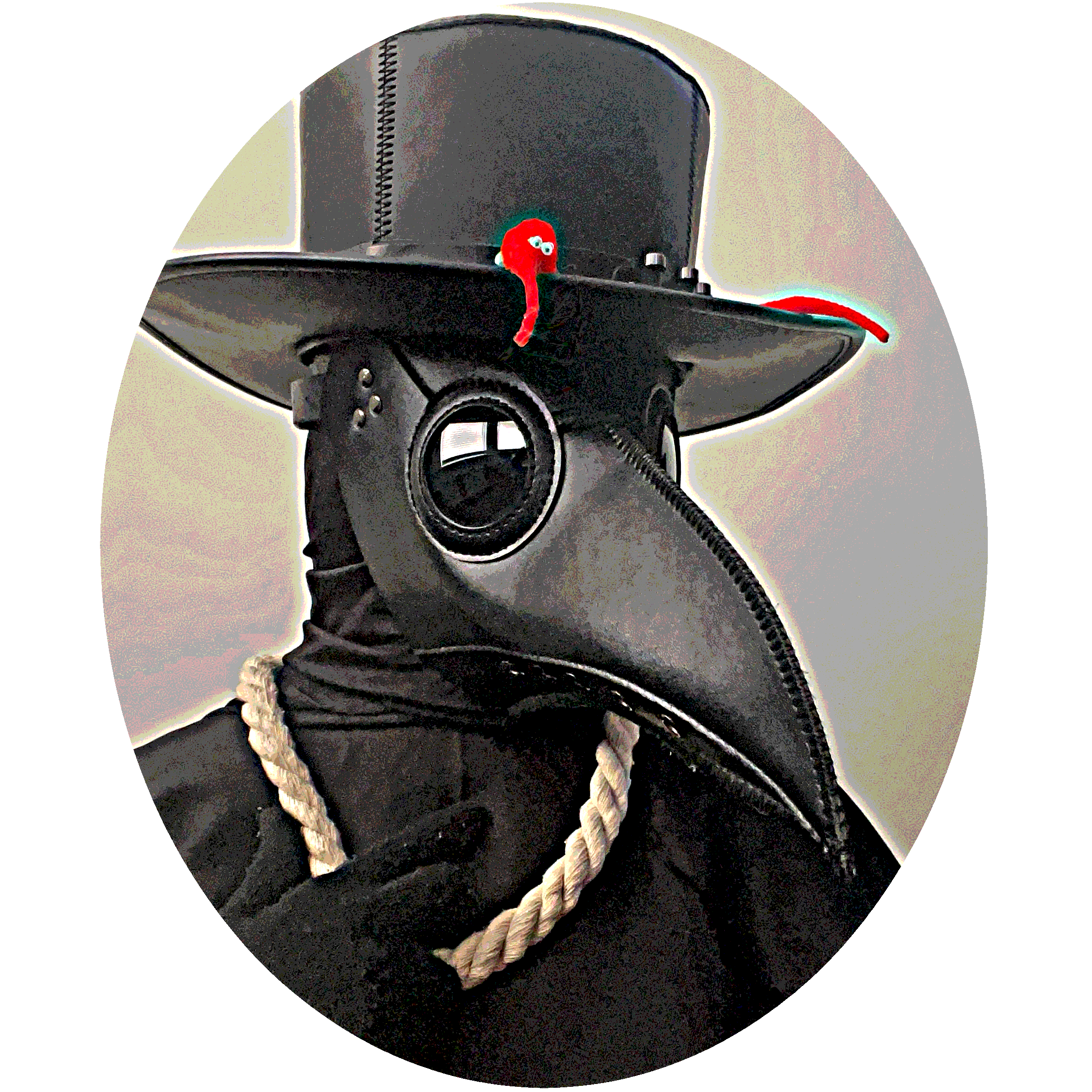
Dr. A. Wurmley
Head (and sole) researcher in the field of Wœrmology
Greetings, you have found yourself at drwurmleysstudies.neocities.org. Chances are, you are aware of the existence of worms; or more commonly named, worms on strings. Having only been a mere three years since sightings of these creatures ran rampant, knowledge regarding them remained limited until now. This site's goal is to document all that there is to know about these stringed worms, spanning from biological facts, to theoretical phenomena coming from their popularity in the early 2020s. Do note, several interpretations of topics regarding worms (such as sin) vary within the community. Most passages written here will be of my own interpretation, while attempting to stick closest to what seems to be widely agreed upon.
OVERVIEW
Worms (Lumbricus Peccatricae), also commonly known as Wœrms, Squirmles, Wacky Worms, and Worms On Strings, are cold-blooded invertebrates with a vast spectrum of potential fur colors. Because of said fur color, namely whether the color is warm or cold, it may influence their behavior and preference of environment. Their existence dates all the way back in the 1970s, though it was five decades later during the Covid19 pandemic of 2020 where worms' popularity skyrocketed. Predominantly on a social media platform called TikTok, a community was cultivated during this period, giving itself the name "WormTok." Taking worms in as rescues or pets is a common practice among the people of WormTok, but activities also included partaking in sinful/sin-ridding rituals, and especially in my case, scientific experimentation on worms. Now that the mid-2020s have rolled around, the trend has taken its course, though that doesn't stop previous worm owners from continuing to thrive.